


Weymouth and Local Area
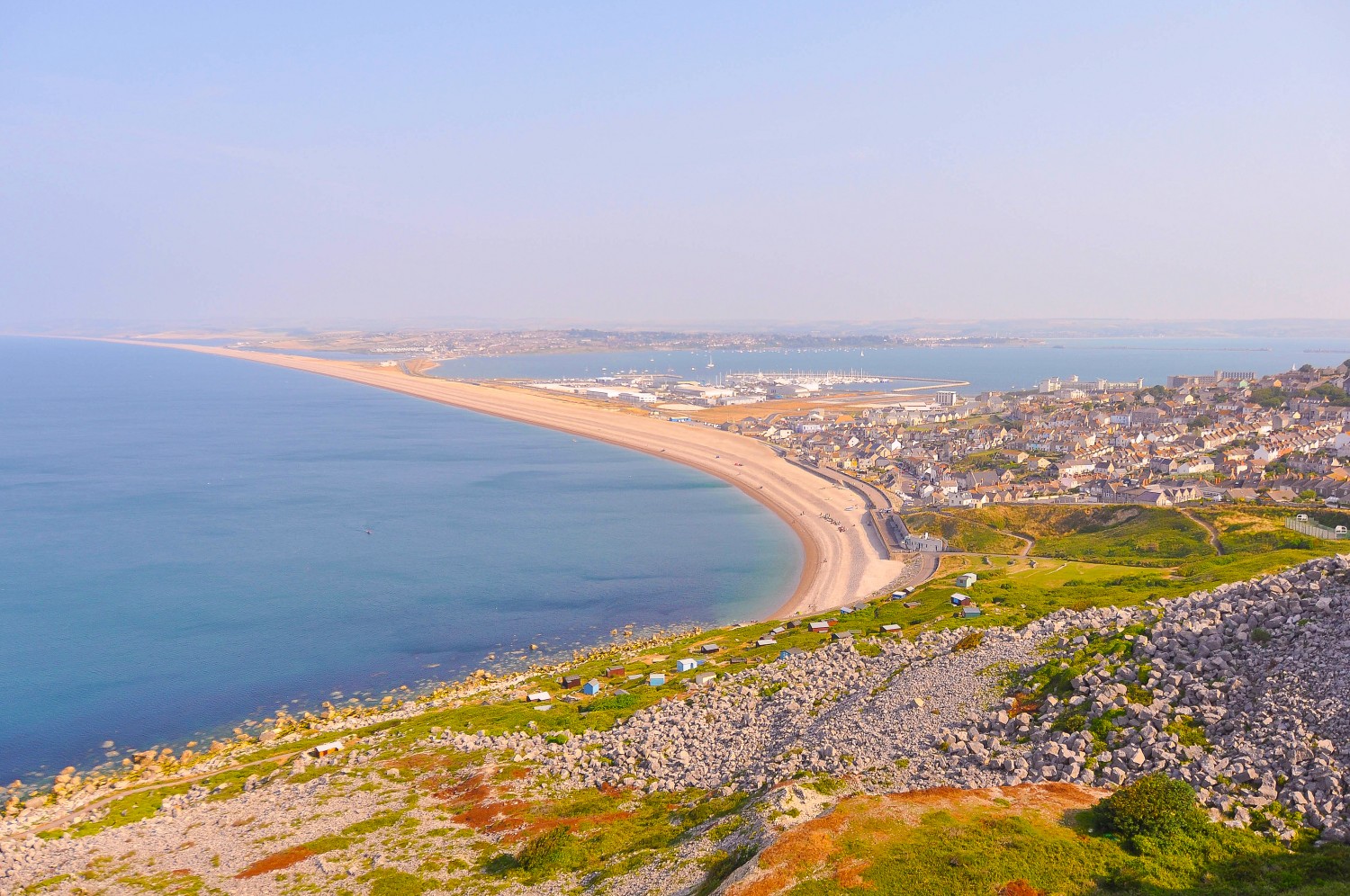
Weymouth is located at a central point on the Jurassic Coast, England’s first natural World Heritage Site. It has long been called ‘England’s Bay of Naples’ (thankfully without the threat of Vesuvius!) Its beautiful scenery of coastline and cliffs along with its nationally renowned beach of golden sands and safe, shallow waters make it difficult to find anywhere else quite like it. Surrounded by outstanding countryside and without too much commercialism, it remains a largely unspoilt haven but still contains more than enough to keep holiday-makers and travellers happy.
Weymouth was the host to the 2012 Olympic sailing events. In the run up to this, the sea front underwent a regeneration. New attractions were added and the whole area was transformed. The Esplanade and harbourside have adopted a more cosmopolitan appearance with restaurants and pubs providing outdoor seating to allow visitors to soak up the scenic surroundings.
Weymouth was made into one of the first fashionable holiday resorts by the regular visits of King George III from 1789. He popularised the use of the ’bathing machine’ and made Gloucester Lodge on the Esplanade his regular holiday home.
Lying within a sheltered bay, Weymouth has one of the mildest climates in the British Isles and boasts one of the best sunshine records. Quite often, the weather may be poor a few miles inland but as you approach the Bay the sun and clear blue skies will often be there to welcome you. The fine Georgian seafront, of which The Sandcombe is a distinctive part, makes an impressive backdrop to the long arc of the bay and houses a wide variety of hotels, restaurants, pubs, cafes and character shops. Weymouth combines the traditional and the modern in a cosmopolitan setting.


The seafront contains a host of attractions. Just a stones throw from The Sandcombe are the famous sand sculptures of Mark Anderson. A little further along are the traditional children’s beach entertainments featuring donkeys, pedalos, merry-go-rounds, swing-boats, crazy golf, trampolines and Professor Mark Poulton’s Punch and Judy show. Adjacent to the beach is Alexandra Gardens with more adventurous rides and electronic entertainments. A range of gardens, beach kiosks, pubs and cafes with outdoor seating provide ample respite for those with less active intentions.
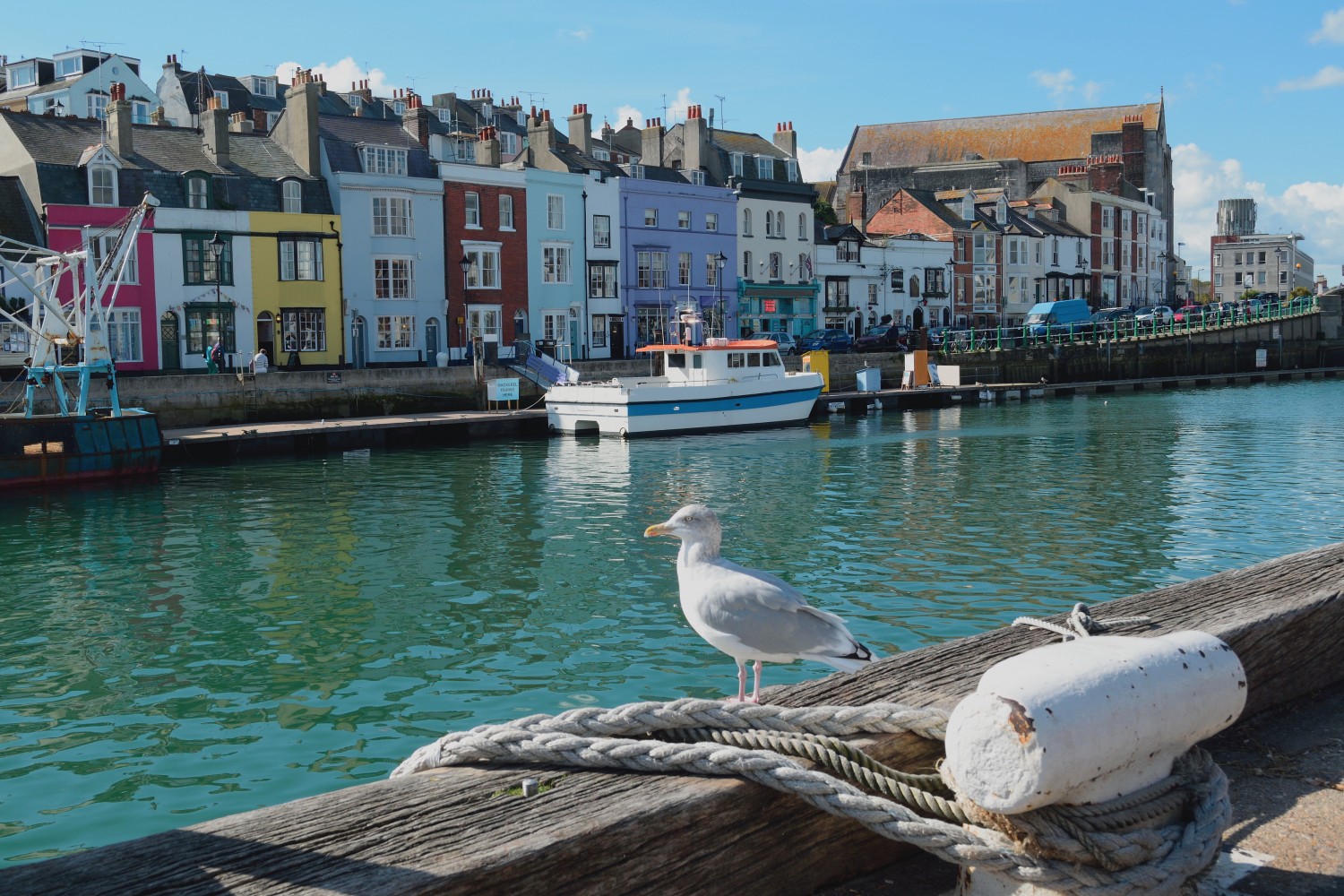
The Sandcombe backs onto Custom House Quay and to the rear of us is the ancient harbour. Steeped in history, this picturesque area is also a hub of activity. It is a working fishing port (claiming some of the largest fish tonnage in England) but is equally known these days as ‘The Waterfront’. (www.waterfrontweymouth.co.uk). It is an area alive with cafes, bars and restaurants where good food and drink can be enjoyed in an attractive setting. The 2 sides of the harbour are joined by the famous Weymouth Town Bridge, a drawbridge which rises every 2 hours during the summer to let tall ships pass through. During the Summer, there is a small rowing boat ferry which operates just behind The Sandcombe which for £1 will save you the 20 minute stroll to the other side. Across the harbour, can be found more eating and dinking emporiums, Brewers Quay, Weymouth Marina and Nothe Fort (www.nothefort.org .uk), an impressive Victorian harbour defence and now a remarkable war museum in an elevated position on the peninsula with spectacular views from its gardens.